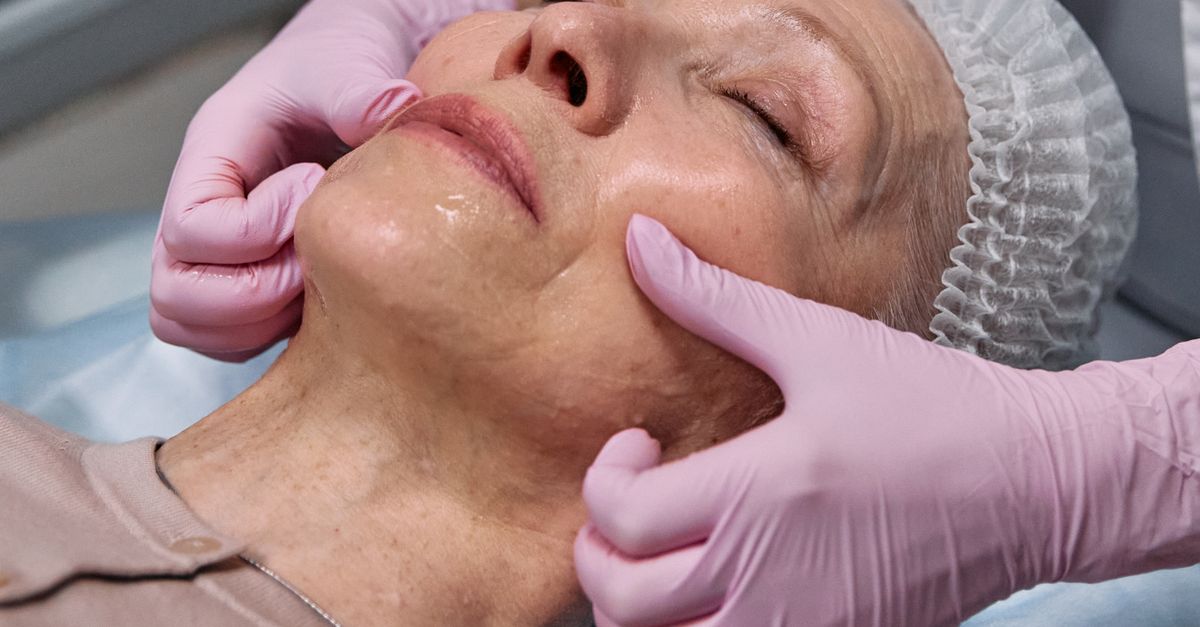
Essential Skincare Products for Post-Treatment Recovery
Table Of Contents
Exfoliation Techniques Post-Treatment
Exfoliation plays a crucial role in the recovery process after various skincare treatments. Gentle techniques should be prioritized to avoid irritating the skin. Consider starting with chemical exfoliants that contain alpha hydroxy acids (AHAs) or beta hydroxy acids (BHAs). These ingredients help remove dead skin cells without harsh scrubbing, allowing the skin to heal more effectively. It's essential to wait for a period recommended by your skincare professional, usually around a week, before incorporating any form of exfoliation into your routine.
Physical exfoliation, such as scrubs or tools, can be too abrasive immediately following a treatment and may lead to irritation or inflammation. Instead, opt for simpler methods like using a soft washcloth to gently buff the skin or choosing a product with mild exfoliating properties. Always listen to your skin's response and adjust the frequency and intensity of exfoliation as needed. This ensures a smoother recovery and enhances the overall effectiveness of your skincare regimen.
When and How to Exfoliate Safely
Exfoliation plays a crucial role in the recovery process after skincare treatments, but timing and technique are essential to ensure safety. Generally, gentle exfoliation can be introduced into your routine about a week after treatment, as long as the skin has healed and shows no signs of irritation. Begin with mild exfoliants that contain fine particles or enzymatic exfoliants, avoiding aggressive scrubs or harsh chemical peels that can compromise your skin’s recovery.
The method of exfoliation matters significantly during this sensitive period. Manual exfoliation should be light, using soft cloths or gentle brushes that won’t cause further damage. Chemical exfoliants with ingredients like lactic acid or mandelic acid can be beneficial but should be applied cautiously. Always follow up with a hydrating serum or moisturizer to soothe the skin and maintain its barrier function. Testing new products on a small area before full application can also help prevent adverse reactions.
The Role of Face Masks in Recovery
Face masks play a significant role in the recovery process after skincare treatments. They provide targeted benefits that can soothe and hydrate the skin, helping to reduce irritation and promote healing. Many masks contain ingredients such as aloe vera, hyaluronic acid, and antioxidants that support skin barrier function and enhance overall skin appearance. Incorporating these masks into a post-treatment routine can lead to improved comfort and a faster recovery.
Selecting the right type of mask is crucial for optimal results. Hydrating masks are often beneficial immediately following treatments, as they can replenish moisture levels and calm sensitive skin. On the other hand, soothing masks with anti-inflammatory properties can help mitigate redness and swelling. It's important to avoid masks with harsh exfoliants or irritating fragrances during this period, as these can hinder the healing process.
Types of Masks to Consider
Soothing face masks can play an integral role in the recovery process following skin treatments. Hydrating masks that contain ingredients like hyaluronic acid provide moisture to parched skin. Aloe vera masks are beneficial for their calming properties and can reduce redness and irritation. Gel-based masks often offer a cooling sensation that helps alleviate discomfort and speed up healing.
Clay masks are another option to consider, particularly for those prone to oiliness or acne. These masks can draw out impurities and excess sebum from the skin without being overly abrasive. It is essential to choose masks with gentle formulas free from harsh fragrances and exfoliants. This ensures that the skin barrier remains intact during the crucial recovery phase.
Avoiding Common Skincare Mistakes
Selecting the right products after a skincare treatment is crucial for promoting healing and avoiding irritation. Many people mistakenly apply harsh scrubs or retinol-based products too soon, which can lead to compromised skin barriers or increased redness. It's essential to listen to your skin and opt for gentle, hydrating formulas instead. These alternatives can help soothe and restore without adding stress to already sensitive skin.
Another common misstep is neglecting sunscreen protection. After treatments like chemical peels or microneedling, the skin often becomes more susceptible to sun damage. Skipping sunscreen even for a short period can lead to pigmentation issues or prolonged recovery time. Emphasizing daily sunscreen application and reapplication is vital in protecting newly treated skin and ensuring optimal results.
Products to Avoid Immediately After Treatment
After a skincare treatment, the skin can be sensitive, requiring extra care with product choices. It’s best to avoid any products containing strong active ingredients, such as retinoids, alpha hydroxy acids (AHAs), and beta hydroxy acids (BHAs). These components can irritate freshly treated skin, leading to redness and inflammation. Likewise, skip heavily fragranced items and alcohol-based toners, as these can further exacerbate sensitivity.
In addition, steer clear of exfoliants and physical scrubs immediately following a procedure. These can disrupt the healing process and compromise the skin barrier. Also, products designed for oily or acne-prone skin often contain harsh ingredients that may not be suitable during recovery. Gentle, hydrating formulations are preferable to ensure the health and comfort of the skin during this critical period.
FAQS
What are the best exfoliation techniques to use after a treatment?
After a treatment, it's best to opt for gentle exfoliation techniques such as chemical exfoliants with mild acids or enzymatic exfoliants. Avoid physical scrubs for at least a week to prevent irritation.
How soon can I start exfoliating after a skincare treatment?
It is generally recommended to wait at least 5-7 days after a treatment before starting to exfoliate, but always consult with your dermatologist or skincare professional for personalized advice.
What role do face masks play in post-treatment recovery?
Face masks can help hydrate, soothe, and repair the skin after treatments. They can also provide additional nutrients and calming effects, promoting a more comfortable healing process.
What types of masks should I consider using after a skincare treatment?
Look for hydrating and calming masks, such as those containing aloe vera, hyaluronic acid, or chamomile. Avoid masks with active ingredients that can irritate the skin, such as retinols or strong acids.
What common skincare mistakes should I avoid after a treatment?
Common mistakes include using harsh products, skipping sunscreen, or not following your provider's aftercare instructions. Always prioritize gentle cleansing and moisturizing to support recovery.
Related Links
Best Moisturisers for Enhancing Cosmetic ResultsHow to Choose the Right Eye Cream After Injectables
The Role of Antioxidants in Aftercare
Hydrating Products for Optimal Skin Health
Essential Ingredients to Look for in Aftercare Skincare
Recommended Exfoliants for Post-Treatment Skin
Recommended Sunscreens for Clients After Treatments