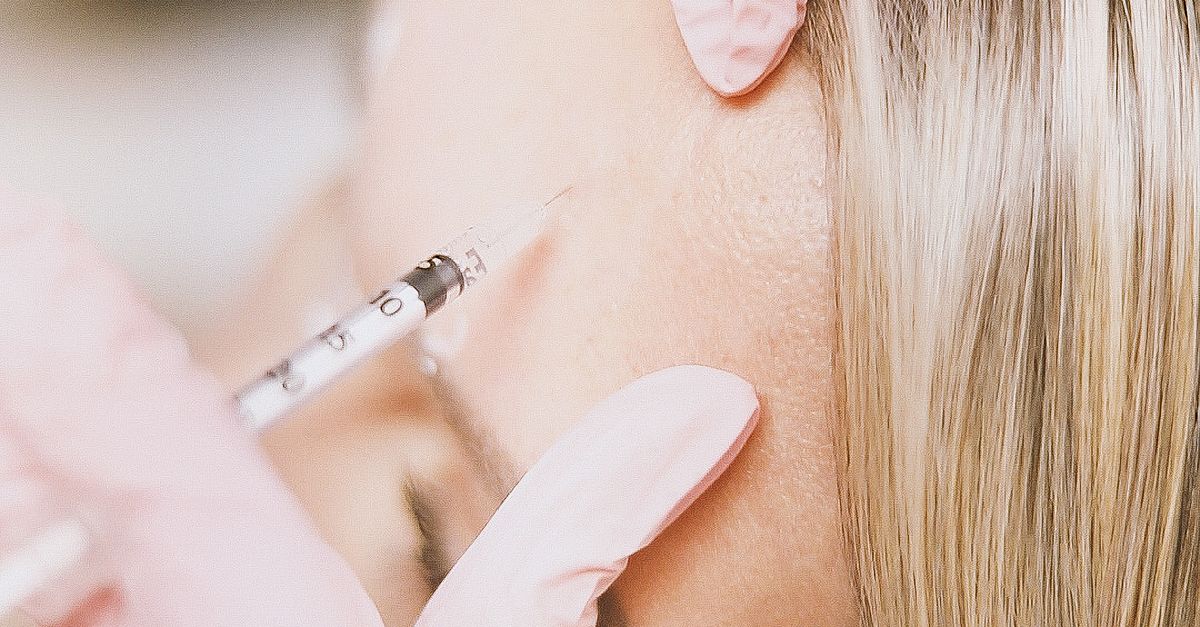
Ideal Cleanser Choices After Cosmetic Procedures
Table Of Contents
Cleansing Techniques to Follow
Gentle cleansing is crucial after cosmetic procedures to avoid irritation. Start by using lukewarm water to dampen the skin. Apply a suitable cleanser with clean hands, using soft circular motions. This technique limits friction and helps to remove impurities without disturbing healing tissues. Rinse thoroughly, ensuring that no residue remains to prevent potential breakouts or clogged pores.
Pat the skin dry with a clean, soft towel instead of rubbing. This helps maintain moisture without aggravating sensitive areas. Follow up with a recommended toner or moisturizer designed for post-procedure care. Consistently treating the skin with care enhances recovery and preserves the results of the procedure.
Best Practices for Washing Skin After Cosmetic Procedures
Gentle cleansing is crucial after undergoing cosmetic procedures. Using lukewarm water helps avoid irritation caused by extreme temperatures. A soft cloth or pads can assist in cleaning without excessive friction. Care should be taken to avoid vigorous scrubbing, which can compromise healing.
Timing also plays a key role in post-procedure cleansing. Experts often recommend waiting at least 24 hours before washing the treated area to allow the skin to stabilize. Incorporating a mild, non-fragrance cleanser ensures that the skin remains free from harsh chemicals that may hinder recovery. Patting the skin dry with a clean towel is advisable instead of rubbing, maintaining the integrity of any newly treated areas.
Recommended Products for Different Skin Types
Choosing the right cleanser based on skin type is crucial for maintaining results after cosmetic procedures. For oily skin, gel-based cleansers containing salicylic acid work effectively to unclog pores and reduce excess oil production. These products help prevent breakouts while ensuring the skin remains clean and refreshed.
For dry or sensitive skin, cream-based cleansers with hydrating ingredients like glycerin or hyaluronic acid provide a gentle yet thorough cleanse without stripping essential moisture. It's important to avoid any harsh formulations that could irritate the skin following cosmetic work. Combination skin may benefit from a milder foaming cleanser, offering a balance of oil control and hydration to cater to both dry and oily areas.
Ideal Cleansers for Oily, Dry, and Combination Skin
Selecting the right cleanser is crucial for maintaining skin health after cosmetic procedures. For those with oily skin, a foaming or gel-based cleanser that targets excess oil and unclogs pores is ideal. Ingredients like salicylic acid can help reduce breakouts while ensuring the skin remains balanced and refreshed. It's essential to avoid overly harsh cleansers that could strip the skin of its natural moisture.
For individuals with dry skin, a hydrating cream or lotion cleanser is best. Look for formulas with nourishing ingredients such as hyaluronic acid or glycerin, which help retain moisture while effectively cleaning the skin. Combination skin requires a versatile cleanser that can address both oily and dry areas without causing irritation. A sulfate-free option that gently cleanses without overdrying can maintain balance and promote a healthy complexion.
Avoiding Common Mistakes Post-Cosmetic Procedure
Many individuals overlook the importance of gentle care in their post-procedure routines. Using harsh scrubs or exfoliants can aggravate sensitive skin, leading to irritation or prolonged healing. It is essential to wait for the skin to fully recover before reintroducing these types of products. Instead, focus on using gentle cleansers designed for sensitive skin, which can help maintain cleanliness without causing damage.
Another common mistake is failing to follow a consistent skincare regimen after procedures. Skipping steps such as moisturizing or applying sunscreen can result in undesired outcomes. Hydration plays a crucial role in the healing process, while sunscreen protects the skin from UV damage. Incorporating these elements into daily routines can significantly enhance the longevity and appearance of cosmetic treatments.
What Not to Use to Preserve Results
Certain products can compromise the healing process after cosmetic procedures. Harsh exfoliants or scrubs might irritate sensitive skin. Ingredients like retinoids and alpha hydroxy acids should be avoided during the initial healing period. These substances can cause excessive dryness or inflammation, ultimately affecting the desired results of the procedure.
Fragranced cleansers also pose a risk, as they may lead to allergic reactions or irritation. Alcohol-based products should be excluded due to their potential to strip the skin of essential moisture. It's crucial to choose mild, hydrating formulas that promote healing rather than hinder it. Prioritizing gentle care will help preserve the results and maintain skin integrity over time.
FAQS
What type of cleanser should I use after a cosmetic procedure?
It is recommended to use a gentle, non-irritating cleanser that is free from harsh chemicals, fragrances, and exfoliating ingredients to avoid irritating the skin.
How soon can I start cleansing my skin after a cosmetic procedure?
Generally, you can start cleansing your skin 24 to 48 hours after the procedure, but be sure to follow your healthcare provider's specific instructions for your individual recovery.
Should I use hot or cold water when washing my face after a cosmetic procedure?
It’s best to use lukewarm water to wash your face. Hot water can aggravate sensitivity, while cold water may not effectively remove impurities.
Are there any ingredients I should avoid in my cleanser post-procedure?
Yes, avoid cleansers containing alcohol, fragrances, glycolic acid, or salicylic acid, as these can irritate the skin and hinder the healing process.
Can I continue using my regular skincare products after a cosmetic procedure?
It’s advisable to temporarily stop using active ingredients like retinol or strong exfoliants after a cosmetic procedure. Consult your dermatologist for personalized recommendations based on your recovery.
Related Links
Recommended Sunscreens for Clients After TreatmentsTop Serums to Boost Skin Healing
How to Choose the Right Eye Cream After Injectables
The Role of Antioxidants in Aftercare
Hydrating Products for Optimal Skin Health
Essential Ingredients to Look for in Aftercare Skincare
Recommended Exfoliants for Post-Treatment Skin
Best Moisturisers for Enhancing Cosmetic Results