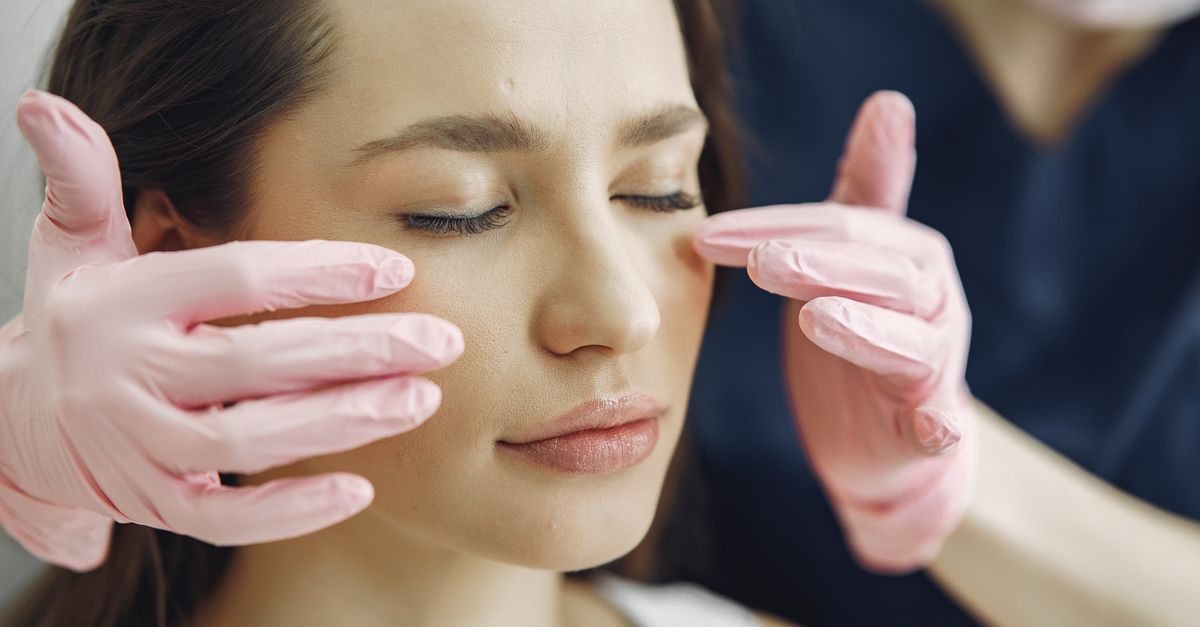
Nourishing Your Skin Post-Treatment: Essential Lifestyle Choices
Table Of Contents
Sun Protection Essentials
Protecting your skin from harmful UV rays is crucial, especially after cosmetic treatments. Sun damage can exacerbate inflammation and hinder the healing process. It is essential to apply sunscreen daily, even on cloudy days. Look for broad-spectrum formulations that block both UVA and UVB rays. An SPF of 30 or higher is recommended, along with reapplication every two hours when outdoors.
Wearing protective clothing can further enhance sun safety. Lightweight and breathable fabrics work well for extended sun exposure. Seek shade during peak sun hours, typically between 10 a.m. and 4 p.m. Hats with wide brims and sunglasses that offer UV protection can provide added defense. Implementing these strategies will aid in maintaining the integrity of your skin post-treatment.
Choosing the Right Sunscreen
Selecting a sunscreen that effectively protects your skin is crucial for recovery and overall health. Look for a broad-spectrum formula that shields against both UVA and UVB rays. Ingredients such as zinc oxide and titanium dioxide provide physical protection and are often recommended for sensitive skin types. For daily wear, consider a lightweight, non-comedogenic product that won't clog pores or irritate recently treated skin.
Moreover, pay attention to the SPF level to ensure adequate protection, particularly if you plan to spend extended periods outdoors. An SPF of at least 30 is generally advisable. Remember to check the expiration date of the sunscreen, as using an expired product can compromise its effectiveness. Apply it generously and reapply every two hours, or more frequently if swimming or sweating, to maintain optimal protection throughout the day.
The Role of Sleep in Skin Recovery
Quality sleep is crucial for the body’s overall health, and skin recovery is no exception. During deep sleep, the body enters a regenerative state, where it repairs damaged cells and regenerates skin tissue. This biological process leads to improved skin texture and elasticity, helping to fight the signs of aging and enhance overall complexion. Without adequate rest, the skin can become dull and more susceptible to various conditions, such as acne and premature aging.
Several factors can influence sleep quality. Creating a soothing bedtime routine can signal the body that it is time to unwind. Limiting exposure to screens in the evening helps reduce blue light's impact on melatonin production. Keeping the bedroom dark and cool can promote deeper sleep, contributing to a more effective rejuvenation process for the skin. Additionally, avoiding caffeine and heavy meals close to bedtime further supports better rest and, in turn, healthier skin.
Tips for Improving Sleep Quality
Establishing a consistent sleep schedule is crucial for improving sleep quality. Going to bed and waking up at the same time each day helps regulate your body's internal clock. Creating a calming bedtime routine can also signal your body that it is time to wind down. Activities such as reading a book, practicing mindfulness, or taking a warm bath can effectively ease the transition to sleep.
Additionally, optimizing your sleep environment contributes significantly to better rest. Keep your bedroom cool, dark, and quiet to promote a restful atmosphere. Limiting screen time before bed is essential, as the blue light emitted by devices can interfere with melatonin production. Consider using blackout curtains and earplugs to enhance your sleep sanctuary, ensuring a deeper, more restorative slumber.
Stress Management Techniques
Coping effectively with stress is crucial for maintaining overall skin health. Mindfulness techniques such as meditation and deep-breathing exercises can help individuals become more aware of their stress triggers. Practicing these methods daily not only reduces immediate tension but also fosters a long-term sense of calm. Incorporating physical activity into your routine can further enhance stress relief. Activities like yoga or simple walks can promote the release of endorphins, which help improve mood and enhance skin vitality.
Engaging in hobbies and social activities can also serve as effective outlets for stress. Pursuing interests such as painting, gardening, or playing music allows for creative expression and distraction from daily pressures. Building strong social connections fosters a supportive environment that is vital during challenging times. Additionally, establishing a balanced schedule that includes breaks can prevent overwhelming feelings, giving your skin the opportunity to recover and thrive while you nurture your mental wellbeing.
Practices to Reduce Stress and Enhance Skin Health
Engaging in mindfulness practices can significantly benefit both mental well-being and skin health. Techniques such as meditation, deep-breathing exercises, and yoga help to lower cortisol levels. Elevated cortisol can lead to skin issues like acne and inflammation, so finding time to incorporate these practices into daily routines is crucial. Setting aside even ten minutes a day for mindfulness can make a noticeable difference.
Physical activity is another effective way to manage stress. Regular exercise not only releases endorphins, which naturally boost mood but also improves circulation. This increased blood flow can enhance the delivery of nutrients to the skin, resulting in a healthier complexion. Whether it’s a brisk walk, a dance class, or a workout at the gym, finding an enjoyable form of exercise encourages consistency while simultaneously benefiting skin health.
FAQS
Why is sun protection important after skin treatment?
Sun protection is crucial after skin treatment because your skin may be more sensitive and vulnerable to UV damage. Proper sun protection helps prevent further irritation, pigmentation issues, and enhances the healing process.
How do I choose the right sunscreen for my skin type?
To choose the right sunscreen, look for a broad-spectrum product with an SPF of at least 30, and select one that suits your skin type. For oily skin, opt for oil-free or gel-based formulas, while dry skin may benefit from moisturizers with added hydration.
How much sleep do I need for optimal skin recovery?
Most adults require between 7-9 hours of sleep per night for optimal health and skin recovery. Quality sleep allows your skin to repair and regenerate, promoting a healthier appearance.
What are some effective tips for improving sleep quality?
To improve sleep quality, establish a regular sleep schedule, create a relaxing bedtime routine, limit screen time before bed, and ensure your sleeping environment is conducive to rest (dark, quiet, and comfortable).
What stress management techniques can benefit my skin?
Effective stress management techniques include practicing mindfulness meditation, engaging in regular physical activity, maintaining a balanced diet, and incorporating relaxation exercises like yoga or deep breathing, all of which can help reduce stress and promote healthier skin.
Related Links
Hydration and Recovery: The Key to Skin HealingSocial Interaction: Balancing Personal Life and Recovery
How Sleep Quality Affects Healing After Cosmetic Treatments
The Impact of Alcohol and Caffeine on Your Recovery
Importance of Sun Protection in Your Recovery Journey
Choosing the Right Skincare Regimen for Post-Treatment Care
Exercise Guidelines for Recovery After Cosmetic Procedures