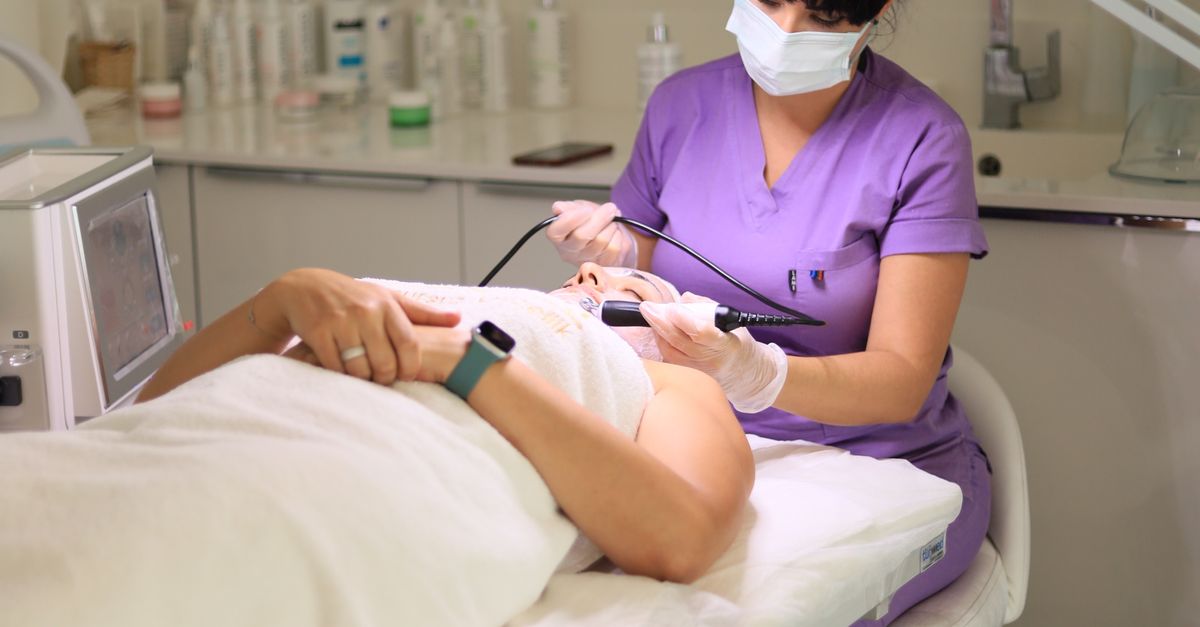
Post-Laser Hair Removal Care: Essential Tips
Table Of Contents
The Importance of Cooling the Skin
After undergoing laser hair removal, the skin may experience redness and warmth. Cooling the treated area is crucial for reducing discomfort and minimizing any inflammatory response. The application of cool compresses or gel packs can provide immediate relief. This gentle cooling helps to calm the skin, promoting a more comfortable recovery process.
Additionally, cooling aids in constricting blood vessels, thereby reducing swelling and the likelihood of bruising. It's essential to avoid extreme temperatures, like ice directly on the skin, which can lead to damage. Instead, opt for mild cooling methods to support and enhance the healing process, ensuring that the skin returns to its normal state.
Effective Methods to Soothe the Treated Area
After laser hair removal, the skin may feel sensitive or irritated. Cold compresses can be incredibly effective for alleviating this discomfort. Applying a clean, damp towel chilled in the refrigerator or ice packs wrapped in a cloth can help reduce redness and swelling. Using these compresses for short intervals throughout the day provides immediate relief without risking further irritation.
In addition to cold therapy, aloe vera gel offers soothing properties that can significantly calm the skin. Look for pure aloe vera or products with a high concentration of it to avoid artificial additives. Gently applying the gel can help hydrate the skin while promoting healing. Other options include over-the-counter hydrocortisone cream, which can ease inflammation, but it's important to consult with a professional before usage to ensure it’s suitable for your skin type.
Keeping the Area Clean
Maintaining cleanliness of the treated area is crucial following laser hair removal. This helps prevent bacteria from entering open hair follicles and reduces the risk of infection. Use a gentle, fragrance-free cleanser that won't irritate the skin. Avoid scrubbing or using harsh exfoliants, as the skin may be sensitive after treatment.
After cleansing, thoroughly pat the area dry with a clean towel. It's important to avoid tight clothing that may trap dirt and bacteria against the skin. Opt for loose, breathable fabrics during the healing process. Keep the area clean and dry while monitoring for any signs of irritation or infection, addressing any concerns promptly.
Recommended Cleansing Techniques
It’s essential to keep the treated area clean to reduce the risk of infection and promote optimal healing. Using a gentle, fragrance-free cleanser is advisable. Avoid scrubbing the skin, as this can irritate the newly treated area. Instead, use your fingers to apply the cleanser lightly and rinse with lukewarm water. Pat the area dry with a clean towel. This method ensures that any impurities are removed without adding unnecessary stress to your skin.
Avoid using harsh or abrasive products for at least a week following the procedure. Alcohol-based cleansers or exfoliants may disrupt the skin's healing process. After cleansing, consider using a soothing, alcohol-free toner to help maintain moisture levels. Additionally, be mindful of any hair care products or lotions that may come into contact with the treated area. Keeping these products to a minimum can help protect your skin during the recovery phase.
Recognizing Signs of Complications
After undergoing laser hair removal, paying attention to the treated area is crucial. Redness and swelling are common but should subside within a few hours to a couple of days. However, if these symptoms persist or worsen, it may indicate a potential complication. Unusual signs such as blistering, extreme pain, or signs of infection like pus or increased warmth demand immediate attention.
Another concern involves changes in skin pigmentation, which can manifest as darker or lighter patches. This may resolve over time, but if it doesn’t improve or if you experience persistent sensitivity, consulting a dermatologist is advisable. Staying vigilant and monitoring your skin condition will help ensure that any underlying issues are addressed promptly.
When to Consult a Professional
It's essential to remain vigilant after your laser hair removal session. If you experience persistent redness or swelling that does not subside within a few days, it may be a sign that something is amiss. Unusual pain, blistering, or significant irritation in the treated area warrants immediate attention as well. These symptoms could indicate a reaction or complication that requires a professional assessment.
Additionally, if you notice any signs of infection, such as pus or an unusual odor, consulting a healthcare provider is crucial. Delaying medical attention can lead to more severe issues. Keeping an open line of communication with your practitioner can also help address concerns and provide reassurance during the healing process. Taking proactive steps ensures the best possible outcome following your treatment.
FAQS
How long should I wait before applying lotion after laser hair removal?
It's best to wait at least 24 hours before applying any lotion to the treated area to allow your skin to recover and minimize irritation.
Can I exercise after laser hair removal?
It is advisable to avoid strenuous workouts for at least 24 to 48 hours after the procedure to prevent excessive sweating and irritation of the treated area.
What should I do if I experience redness and swelling after treatment?
Mild redness and swelling are normal and can be soothed with cool compresses. However, if symptoms persist beyond a few days or worsen, consult your laser technician or dermatologist.
Are there any products I should avoid using on my skin after laser hair removal?
Yes, it's best to avoid products containing harsh chemicals, fragrances, or exfoliants for at least a week after treatment to prevent irritation.
How can I tell if I'm experiencing a complication after laser hair removal?
Signs of complications can include severe pain, blistering, or signs of infection such as pus or increased redness. If you experience any of these symptoms, seek professional advice promptly.
Related Links
What to Expect During a Laser Hair Removal TreatmentPreparing for Your First Laser Hair Removal Session
Frequently Asked Questions About Laser Hair Removal
Comparing Laser Hair Removal with Traditional Hair Removal Methods
The Ideal Candidates for Laser Hair Removal