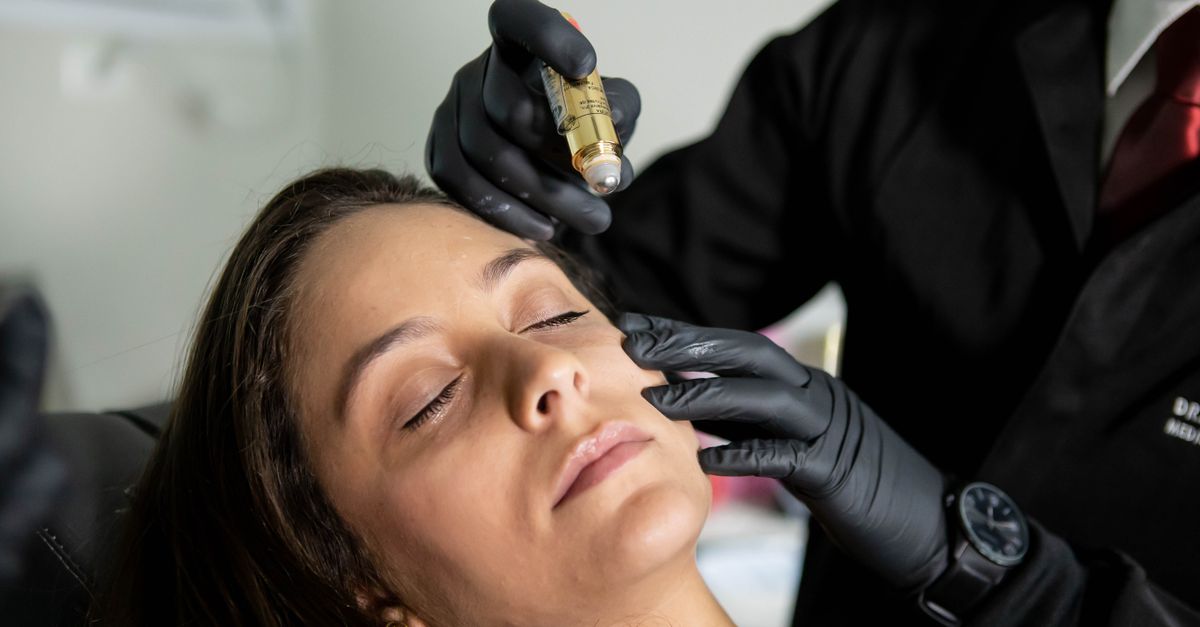
Pre-treatment Consultation for Anti-wrinkle Injections
Table Of Contents
Customizing Your Treatment Plan
A pre-treatment consultation is essential for creating a customized plan that aligns with individual skin types and concerns. During this process, practitioners assess the specific areas of concern and discuss the desired outcomes. This personalized assessment helps in determining the most effective product types and dosages, ensuring that the treatment addresses unique facial features and aging patterns.
Effective communication plays a vital role in customizing the treatment plan. Patients should openly express their goals and any past experiences with similar procedures. This dialogue not only enhances the practitioner’s understanding of the patient’s preferences but also fosters a collaborative approach to ensure satisfaction with the final results.
Tailoring Approaches to Individual Needs
Every individual's skin is unique, influenced by factors such as genetics, age, and lifestyle. A comprehensive pre-treatment consultation allows practitioners to assess these variables and develop a customized treatment plan. By discussing specific concerns, the areas of focus, and desired outcomes, patients can ensure their needs are acknowledged. This personalized approach helps enhance the effectiveness of the anti-wrinkle injections and contributes to more satisfying results.
Effective communication is essential in this process. Practitioners should encourage patients to express their expectations and any previous experiences with cosmetic treatments. Engaging in a detailed dialogue creates an opportunity for professionals to educate clients about potential outcomes and any limitations. Addressing these aspects fosters trust and helps establish a collaborative relationship, ensuring that the treatment plan is as tailored and effective as possible.
Choosing the Right Practitioner
Selecting a qualified practitioner is crucial for achieving optimal results with anti-wrinkle injections. Look for someone who is a licensed medical professional, such as a dermatologist or plastic surgeon, with specific training in cosmetic injectables. Checking credentials and reviewing their background can provide insight into their expertise. Additionally, seeking recommendations from trusted sources or reading online reviews can help identify practitioners known for their artistry and attention to detail.
Experience matters significantly when it comes to administering anti-wrinkle injections. Inquire about the number of procedures the practitioner has performed and their familiarity with various techniques. A skilled practitioner should be able to discuss their approach, show before-and-after images of past clients, and explain potential risks and side effects. Comfort and trust in your provider will greatly enhance the overall experience and outcome of your treatment.
Qualifications and Experience to Look For
When selecting a practitioner for anti-wrinkle injections, it’s essential to consider their qualifications. Look for someone with advanced training in cosmetic procedures, ideally board certification in dermatology or plastic surgery. A practitioner who is a member of reputable professional organizations demonstrates a commitment to ongoing education and adherence to industry standards. Such qualifications often indicate a higher level of expertise and reliability.
Experience plays a crucial role in the success of cosmetic procedures. A practitioner with numerous years in the field is likely to have a deeper understanding of facial anatomy and nuances that influence treatment outcomes. Additionally, seeking someone who has performed a variety of procedures can provide insight into their versatility and ability to customize treatments based on individual patient needs. Always ask about their portfolio and results from previous clients to gauge their proficiency.
Preparing for Your Appointment
When preparing for an appointment for anti-wrinkle injections, gathering relevant medical history is essential. Informing the practitioner about any past cosmetic procedures, allergies, medications, or skin conditions can help in tailoring the treatment effectively. This background information allows practitioners to make informed decisions, ensuring a safer and more personalized experience.
Consider writing down any questions or concerns you wish to discuss during your consultation. This could include inquiries about the techniques used, expected results, and potential side effects. Taking the time to clarify uncertainties will enable you to make an informed choice regarding the treatment plan and create a comfortable dialogue with your practitioner.
Questions to Consider Beforehand
Reflecting on your expectations and desired outcomes can be beneficial prior to your appointment. Consider what specific areas you want to address and how subtle or dramatic you wish the results to be. Understanding your motivations and goals can help guide the discussion with your practitioner, ensuring that they align your treatment plan with your vision.
It’s also important to evaluate any medical history or potential allergies that may influence the treatment. Prepare to discuss any past procedures or medications you have taken. This information can help your practitioner assess your suitability for anti-wrinkle injections and tailor their approach to your unique circumstances.
FAQS
What is a pre-treatment consultation for anti-wrinkle injections?
A pre-treatment consultation is a meeting between you and your practitioner to discuss your goals, medical history, and the specific anti-wrinkle treatments available. This allows for a customized plan tailored to your individual needs.
How can I customize my treatment plan for anti-wrinkle injections?
During your consultation, you can discuss your concerns and desired outcomes with your practitioner. They will assess your skin and recommend a treatment plan that best suits your individual needs and goals.
What qualifications should I look for in a practitioner for anti-wrinkle injections?
Look for a practitioner who is licensed and has specific training in administering anti-wrinkle injections. It's beneficial to choose someone with experience and positive reviews from previous clients.
What questions should I consider before my appointment for anti-wrinkle injections?
Consider questions related to the procedure, such as expected results, potential side effects, aftercare, and the practitioner's experience. It's important to feel fully informed and comfortable before proceeding.
How should I prepare for my appointment for anti-wrinkle injections?
Prior to your appointment, avoid blood thinners like aspirin, alcohol, or supplements that could increase bruising. Arriving without makeup on the treatment area and being prepared to discuss your medical history can also help facilitate the consultation.
Related Links
Understanding the Benefits of Anti-wrinkle InjectionsCommon Myths About Anti-wrinkle Injections Debunked
Finding the Right Practitioner for Anti-wrinkle Injections
The Procedure: What to Expect During Your Anti-wrinkle Treatment
Choosing the Right Clinic for Your Anti-wrinkle Injections
How Long Do Anti-wrinkle Injections Last?
Post-treatment Expectations with Anti-wrinkle Injections
The Cost of Anti-wrinkle Injections and What Influences Pricing