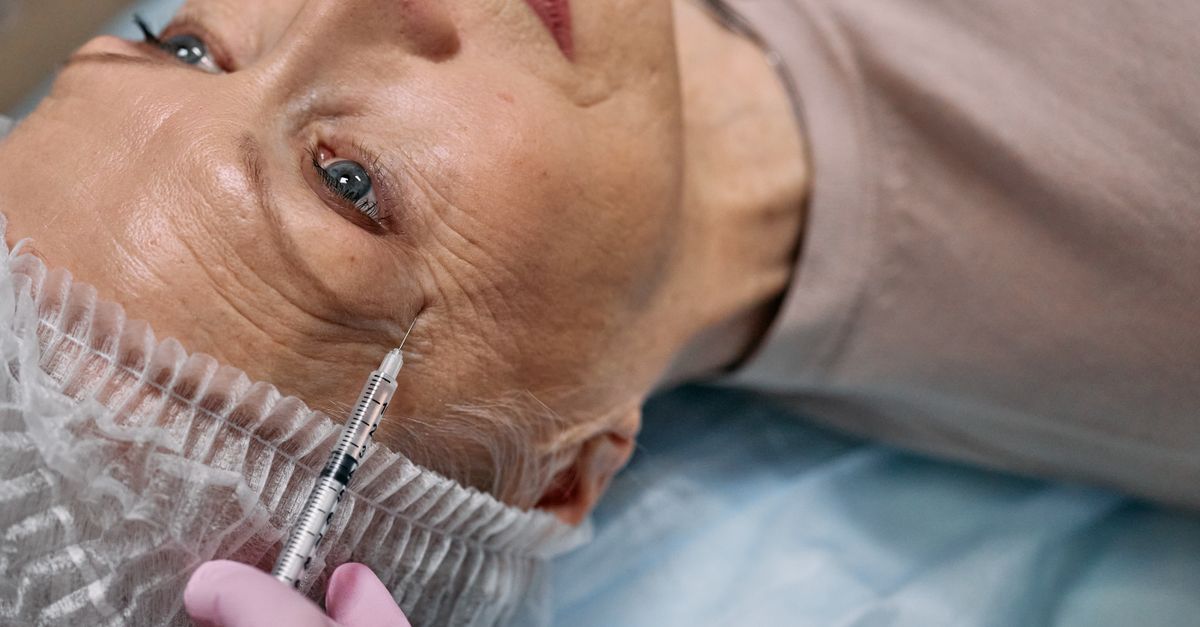
The Importance of Skin Assessment Before Rejuvenation
Table Of Contents
Timing of Skin Assessment
Scheduling a skin assessment is crucial before embarking on any rejuvenation treatments. The timeframe for this evaluation usually depends on individual skin conditions and the specific procedures being considered. Ideally, it should take place several weeks before any treatment, allowing enough time to process the results and make necessary adjustments. This approach ensures that caregivers can provide tailored recommendations based on the skin’s current state.
Timing also involves understanding seasonal changes that can affect skin health. For instance, dry winters or sun-soaked summers can exacerbate certain skin issues. Planning assessments around these fluctuations can help in achieving optimal outcomes. By syncing the timing of evaluations with environmental factors, individuals can gain a clearer picture of their skin's unique needs and ensure a more effective rejuvenation plan.
When to Schedule Your Evaluation
Planning the timing for a skin assessment is essential for optimizing rejuvenation treatments. Ideally, individuals should schedule their evaluations several weeks in advance of any planned procedures. This allows professionals to conduct thorough assessments and suggests appropriate therapy options tailored to specific conditions and concerns.
Seasonal changes can also influence skin health, making it beneficial to assess skin at different times throughout the year. For example, scheduling an evaluation during winter may highlight issues like dryness, while spring and summer assessments can reveal sun damage and oiliness. These insights guide a more precise approach to rejuvenation, ensuring that treatments effectively address current skin conditions.
Preparing for a Skin Assessment
Before attending a skin assessment, gathering relevant information about your skincare routine is beneficial. This includes documenting the products you use, such as cleansers, moisturizers, and treatments. Keeping a record of any allergies or skin reactions can provide helpful context for the practitioner. Additionally, noting any changes in your skin's condition, such as new moles or pigmentation issues, can facilitate a more comprehensive evaluation.
It is also advisable to arrive for your assessment with clean skin. Avoid wearing makeup or heavy skincare products on the day of the visit. This allows the practitioner to observe your skin's natural state. If you're considering specific rejuvenation treatments, researching them beforehand will enable you to ask informed questions during your assessment. Understanding both your goals and potential treatment options enhances the value of the evaluation process.
Key Questions to Consider
Before undergoing skin rejuvenation, it is essential to ask yourself several key questions to better understand your skin's needs. Consider any existing skin conditions or concerns. Have you noticed changes in texture, pigmentation, or elasticity? Reflecting on your skincare history will help guide your rejuvenation journey. Identify any previous treatments or products that have either helped or aggravated your skin, as this information will be invaluable for your practitioner.
Another important consideration revolves around your goals for rejuvenation. What specific results do you wish to achieve? Are you aiming for a more youthful appearance, improved texture, or reduced pigmentation? Clarifying these goals allows for a targeted approach to your treatment plan. Additionally, think about your lifestyle, including factors such as sun exposure and skincare routines, which can significantly impact the effectiveness of any rejuvenation procedures.
Interpreting Skin Assessment Results
Results from a skin assessment provide invaluable insights into your skin's health and specific needs. A trained skincare professional will evaluate factors such as texture, tone, hydration level, and any signs of aging or damage. Understanding these elements is essential for determining the most appropriate rejuvenation treatments and products tailored to your skin condition.
Knowing your skin type plays a crucial role in interpreting the assessment findings. For instance, oily skin may require different approaches compared to dry or sensitive skin. Recognizing your unique skin characteristics helps in setting realistic expectations and choosing effective methods for rejuvenation, ultimately leading to improved results and satisfaction with your skincare regimen.
Understanding Your Skin Type
Skin type plays a crucial role in determining the appropriate rejuvenation treatments for individuals. It can generally be classified into five categories: normal, oily, dry, combination, and sensitive. Each type exhibits distinct characteristics; for instance, oily skin tends to have a shiny appearance and enlarged pores, while dry skin may feel tight and appear flaky. Understanding these traits is essential for tailoring a skincare regimen that meets the unique needs of each individual.
Additionally, recognizing how environmental factors and lifestyle choices influence skin type can further guide effective treatment options. Factors such as climate, diet, and stress levels can all impact skin health and should be considered during the assessment. Individual experiences with products and previous treatments also provide insight into how one’s skin reacts, allowing for a more informed approach to rejuvenation strategies. This comprehensive understanding fosters the development of a customized plan that effectively addresses specific skin concerns while promoting overall wellness.
FAQS
Why is a skin assessment important before rejuvenation treatments?
A skin assessment is crucial because it helps professionals understand your unique skin type, concerns, and conditions, ensuring that the treatment chosen is safe and effective for your specific needs.
When is the best time to schedule a skin evaluation?
The best time to schedule a skin evaluation is at least a few weeks prior to your intended rejuvenation treatment, allowing sufficient time for any necessary preparations and to discuss your goals with a skincare professional.
What should I do to prepare for my skin assessment?
To prepare for your skin assessment, you should avoid using harsh skincare products or undergoing any procedures on your skin for a few days beforehand. Additionally, consider jotting down any specific skin concerns or questions you have.
What key questions should I ask during my skin assessment?
During your skin assessment, you should ask about your skin type, recommended treatments, potential side effects, and aftercare instructions. Asking about the expected outcomes and follow-up care is also essential.
How can I interpret the results of my skin assessment?
Interpreting the results of your skin assessment involves understanding your skin type, the specific concerns identified, and the tailored treatment options suggested by your skincare professional. It's important to take note of any recommendations for skincare routines or products that may enhance your rejuvenation results.
Related Links
Exploring the Role of Microneedling in Skin RejuvenationHow to Achieve Radiant Skin with LED Light Therapy
The Advantages of PRP Therapy for Skin Health
The Science Behind Microdermabrasion and Its Effects
Tips for Choosing the Right Chemical Peel for Your Skin Type
Combining Treatments: Enhancing Results with Layered Approaches