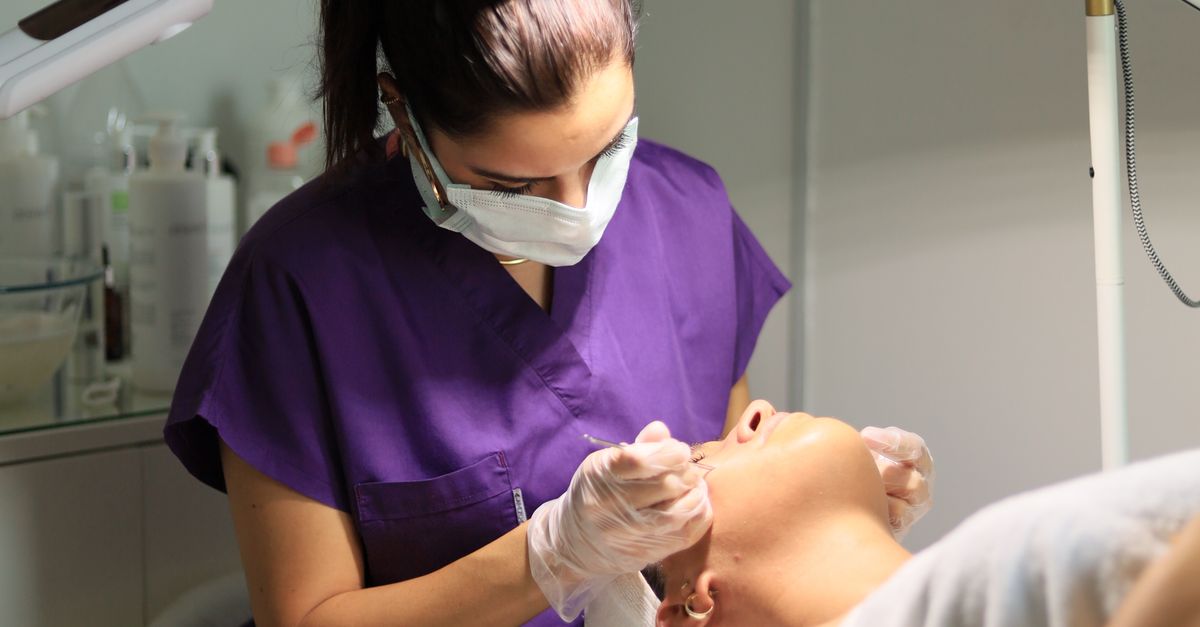
Understanding the Benefits of Chemical Peels for Skin Health
Table Of Contents
Anti-Aging Effects
Chemical peels are increasingly recognized for their ability to rejuvenate the skin, making them a popular choice in anti-aging skincare regimens. By exfoliating the outer layers of skin, these treatments reveal healthier, more radiant skin underneath. As dead skin cells are removed, the appearance of fine lines and wrinkles is noticeably reduced, leading to a more youthful complexion.
In addition to surface improvement, chemical peels encourage deeper skin renewal. The process stimulates your skin’s natural healing response, promoting cell turnover and enhancing overall texture. Over time, this can lead to diminished signs of aging and a more vibrant appearance, offering not only immediate satisfaction but also long-term benefits to skin health.
Reducing Fine Lines and Wrinkles
Chemical peels have gained considerable attention for their ability to diminish the appearance of fine lines and wrinkles. These treatments work by removing the outer layer of dead skin cells, which can contribute to a dull complexion and an aged look. The exfoliation process allows for the growth of new, healthier skin underneath. Patients often notice a smoother, more youthful surface after undergoing a chemical peel, as this technique can help to improve skin texture and tone.
The effectiveness of chemical peels varies based on the depth of the peel chosen and the specific skin concerns being addressed. Superficial peels, which penetrate only the outermost layer, can help with minor lines and fine wrinkles. Meanwhile, deeper peels offer more significant improvements by targeting more layers of skin. The result is a more revitalized appearance, as the skin's natural elasticity begins to return, creating a fresher and more vibrant facial aesthetic.
Boosting Collagen Production
Chemical peels play a significant role in enhancing collagen production, which is essential for maintaining skin elasticity and firmness. The treatment involves the application of specific chemical solutions that penetrate the skin's surface, encouraging cellular turnover. As old and damaged skin is exfoliated, the body naturally responds by ramping up collagen synthesis to rebuild and rejuvenate the skin layers.
As collagen levels increase, visible signs of aging can be minimized, resulting in a smoother and more youthful appearance. Enhanced collagen not only improves the texture and tone of the skin but also provides a plumper look. This process can contribute to a more radiant complexion, helping individuals achieve healthier skin in the long term.
How Chemical Peels Stimulate Skin Regeneration
Chemical peels are designed to remove the outermost layers of skin, resulting in a rejuvenated appearance. By exfoliating these layers, the treatment encourages cell turnover and reveals healthier, fresher skin beneath. Additionally, the process triggers the body's natural healing response, which leads to increased production of new skin cells. As a result, the complexion looks smoother and more radiant following the peel.
In addition to promoting new cell growth, chemical peels can also enhance the overall texture and tone of the skin. The underlying layers of skin benefit from increased blood flow, which nourishes and revitalizes the tissues. This enhanced circulation aids in the repair of sun damage and other skin imperfections. Over time, patients often notice a significant improvement in their skin's elasticity and firmness, further contributing to a youthful appearance.
Preparing for a Chemical Peel
Preparation is crucial before undergoing a chemical peel. Consulting with a qualified dermatologist is the first step to assess your skin type and determine the most suitable peel for your needs. This initial consultation also allows for a discussion of any skin concerns and the desired outcomes. Following this expert advice can significantly enhance the effectiveness of the treatment.
In the days leading up to the procedure, you may need to adjust your skincare routine. Avoid products containing retinoids, alpha hydroxy acids, and other potentially irritating ingredients. Sun exposure should also be minimized; wearing sunscreen is essential. These precautions help optimize your skin's condition and readiness for the chemical peel. Taking these preparatory steps can lead to more satisfactory results and a smoother recovery process.
Steps to Take Before Treatment
Potential patients should start by scheduling a consultation with a qualified dermatologist. This meeting allows for a discussion of skin concerns and the specific goals for undergoing a chemical peel. The dermatologist will evaluate the skin type, medical history, and any pre-existing conditions that may impact the treatment. Understanding the different types of chemical peels available also aids in making informed decisions about the most suitable option.
It is essential to prepare the skin before undergoing a chemical peel. This preparation typically involves a regimen of gentle cleansing and moisturizing. Patients may also be advised to avoid sun exposure and discontinue specific medications, such as retinoids or certain acne treatments, that can complicate recovery. Implementing a soothing routine leading up to the procedure can help minimize discomfort and promote better results.
FAQS
What is a chemical peel?
A chemical peel is a cosmetic treatment that involves applying a chemical solution to the skin to exfoliate its outer layers, promoting new skin growth and improving various skin concerns.
What skin issues can chemical peels treat?
Chemical peels can address a variety of skin issues, including fine lines, wrinkles, sun damage, uneven skin tone, acne scars, and large pores.
How often should I get a chemical peel for optimal results?
The frequency of chemical peels depends on the type of peel being used and individual skin conditions. Generally, lighter peels can be done every 4-6 weeks, while deeper peels may be recommended every 3-6 months.
Are there any side effects associated with chemical peels?
Common side effects include redness, swelling, peeling, and sensitivity in the treated area. These effects are typically temporary and subside within a few days to weeks, depending on the peel's depth.
What should I do to prepare for a chemical peel?
To prepare for a chemical peel, avoid sun exposure, stop using retinoids or other strong skincare products a week prior, and consult with your dermatologist for personalized advice based on your skin type and concerns.
Related Links
Aftercare Tips Following Your Chemical Peel TreatmentEvaluating Candidates for Chemical Peels
How Chemical Peels Can Improve Skin Texture
The Role of Chemical Peels in Acne Scar Treatment
Preparing Your Skin for a Chemical Peel
The Science Behind Chemical Peels: How They Work
Popular Types of Chemical Peels and Their Uses
Chemical Peels: What to Expect During Your Treatment
Choosing the Right Chemical Peel for Your Skin Type