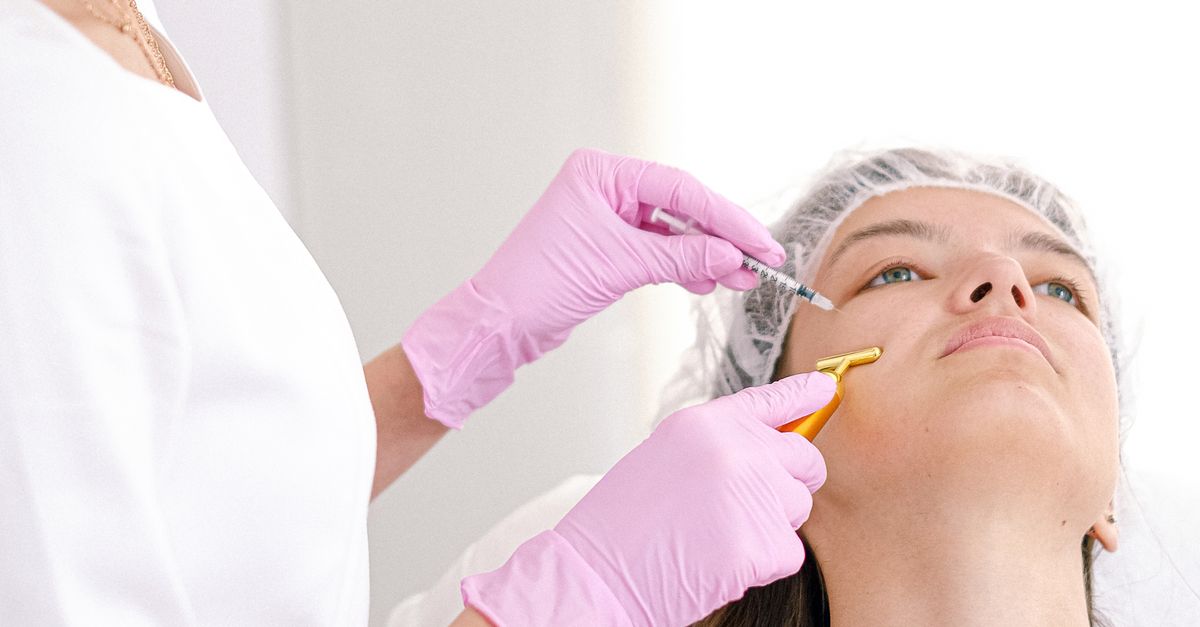
Assessing Changes in Skin Texture After Rejuvenation
Table Of Contents
Laser Treatments and Skin Rejuvenation
Laser treatments have emerged as a leading choice for individuals seeking to improve skin texture and rejuvenate their appearance. These cutting-edge procedures utilize focused light energy to penetrate the skin layers. This stimulates collagen production and encourages cell turnover, resulting in smoother and more youthful skin. Various types of lasers target different skin concerns, such as pigmentation, wrinkles, and acne scars, allowing for a tailored approach based on individual needs.
The effectiveness of laser treatments can vary, depending on the specific technology used and the condition of the skin being treated. Patients often experience some initial redness and swelling following the procedure, which typically subsides within days. The results may continue to improve over several weeks as the skin heals and regenerates. Understanding the different laser options available can help potential candidates make informed decisions about the best treatments for their desired outcomes.
How Lasers Transform Skin Texture
Laser treatments penetrate the skin to stimulate collagen production, a crucial factor in maintaining youthful skin texture. By targeting specific layers, lasers encourage the shedding of old, damaged skin cells. This process promotes regeneration and leads to smoother and firmer skin over time. The precision of laser technology allows for customized treatments tailored to individual skin types and concerns, ensuring optimal results.
Different types of lasers achieve varying effects on skin texture. Fractional lasers create microscopic wounds in the skin while leaving surrounding tissue intact, resulting in faster healing and minimal downtime. Non-ablative lasers work beneath the skin’s surface without destroying the outer layer, which reduces the risk of irritation. Each option offers unique benefits suited to different skin needs, helping clients achieve their desired outcomes effectively.
Non-Invasive Options for Skin Improvement
Non-invasive procedures have gained popularity for their ability to enhance skin texture without the need for surgery. Treatments like chemical peels and microdermabrasion work by removing dead skin cells and promoting cell turnover. These options can result in a smoother complexion, improved elasticity, and reduced appearance of fine lines. They are particularly appealing to individuals looking for subtle enhancements with minimal downtime.
Another effective method is the use of radiofrequency-based treatments, which stimulate collagen production beneath the skin's surface. These treatments deliver controlled energy to target areas, tightening the skin and improving overall texture. They can be performed quickly in a clinical setting and require little recovery time, making them convenient for those with busy lifestyles. Several sessions may be necessary to achieve optimal results, but the gradual improvement can be a compelling aspect for many patients.
Exploring Alternatives for Texture Enhancements
Various non-invasive treatments can significantly enhance skin texture without the need for surgery. Chemical peels are among the most popular alternatives, utilizing acids to exfoliate the skin layers and promote cell turnover. This process helps in reducing fine lines, wrinkles, and uneven tone. Microdermabrasion is another technique that physically exfoliates the skin, removing the outermost layer of dead skin cells. Both options can provide a smoother appearance and are effective in treating issues like acne scars and rough patches.
Another promising avenue is the use of microneedling, which involves creating tiny injuries in the skin to stimulate collagen production. This can improve elasticity and texture in the long term, making the skin look revitalized. Additionally, radiofrequency treatments offer a way to tighten skin through heat, promoting further collagen and elastin production. These alternatives cater to different skin concerns and types, promising rejuvenating effects while minimizing downtime.
Post-Treatment Care for Optimal Results
Proper aftercare plays a crucial role in achieving the best results from rejuvenation treatments. Keeping the skin hydrated is essential. A gentle moisturizer can help maintain the skin barrier, reducing redness and irritation. It is also advisable to use products free from irritants and fragrances. Sunscreen should be applied daily to protect the new skin from UV damage, preventing further complications or hyperpigmentation.
Monitoring the skin for any unusual changes is important in the days following treatment. If any signs of infection, such as increased redness or swelling, appear, contacting a healthcare provider is necessary. Avoiding excessive sun exposure and refraining from picking at the skin can further promote healing. Regular follow-ups with a dermatologist can provide guidance tailored to individual skin needs and ensure lasting results from the rejuvenation process.
Essential Skincare Practices After Rejuvenation
After undergoing skin rejuvenation treatments, proper post-care is crucial for achieving the desired results. A gentle cleansing routine should be established using mild, sulfate-free cleansers. This minimizes irritation and helps maintain the skin's barrier function. Additionally, incorporating a high-quality moisturizer can provide essential hydration, promoting healing and comfort. Look for products that include ingredients such as hyaluronic acid or glycerin, as these help to lock in moisture while soothing the skin.
Sun protection becomes paramount following treatment. The skin may be more sensitive to UV rays, so broad-spectrum sunscreen with a high SPF is essential. This shields the skin from potential damage and prevents hyperpigmentation. Furthermore, avoiding harsh exfoliants and active ingredients like retinoids for a brief period will aid in the recovery process. Regularly applying calming serums can also support skin restoration and improve overall texture during the healing phase.
FAQS
What types of laser treatments are available for skin rejuvenation?
There are several types of laser treatments for skin rejuvenation, including ablative lasers, non-ablative lasers, and fractional lasers. Each type targets different skin concerns and works by promoting collagen production and improving skin texture.
How long does it take to see results from laser skin rejuvenation?
Results from laser skin rejuvenation can vary depending on the type of treatment and individual skin conditions, but many patients notice improvements within a few days to weeks after the procedure. Optimal results are often seen after multiple sessions.
Are there non-invasive options for improving skin texture?
Yes, non-invasive options include chemical peels, microdermabrasion, and ultrasound therapies. These treatments help to exfoliate the skin, promote cell turnover, and improve overall texture without the downtime associated with surgical procedures.
What should I do for post-treatment care after skin rejuvenation?
Post-treatment care typically includes avoiding sun exposure, using gentle skincare products, staying hydrated, and applying moisturizer regularly. Your dermatologist may also recommend specific products to help soothe and heal the skin.
How can I maintain the results of my skin rejuvenation treatments?
To maintain the results, it’s important to follow a consistent skincare routine that includes sun protection, hydration, and regular moisturizing. Additionally, you may want to schedule periodic touch-up treatments as recommended by your skincare professional.
Related Links
What to Look for with Uneven Results Post-ProcedureCommon Indicators of Complication in Laser Skin Treatments
Detecting Abnormal Scarring After Laser Treatments
Handling Unexplained Pain After Cosmetic Enhancements
Recognising Persistent Redness After Facial Treatments
Monitoring Allergic Reactions to Dermal Fillers