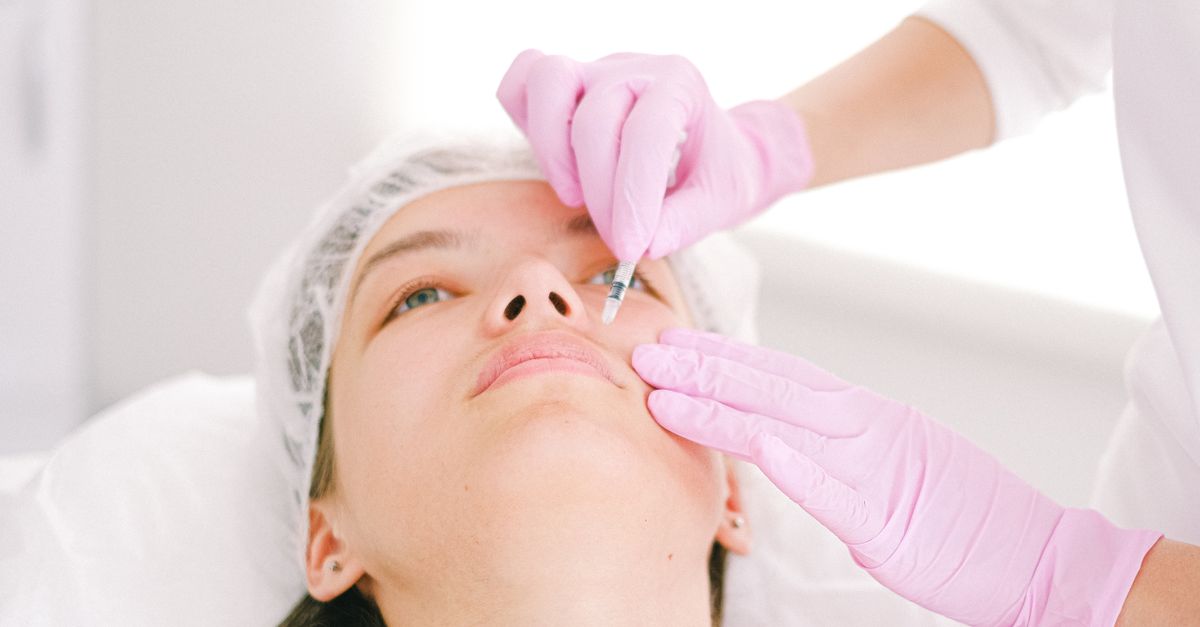
Recognising Persistent Redness After Facial Treatments
Table Of Contents
When to Consult a Professional
Persistent redness following facial treatments can be a concerning sign that warrants professional evaluation. If the redness does not subside within a few days or continues to worsen, it is essential to consult a dermatologist or licensed skincare professional. Swelling or pain accompanying the redness may further indicate an adverse reaction that requires expert intervention.
Additionally, specific symptoms such as blistering, oozing, or unusual discoloration suggest a possible infection or an allergic response. These conditions necessitate immediate attention to prevent long-term damage to the skin. Addressing these issues promptly can lead to effective treatment and recovery, reducing the risk of complications.
Signs That Indicate a Need for Expert Help
Persistent redness following a facial treatment can signal an underlying issue that requires professional attention. If the redness worsens or remains beyond the expected period of recovery, it is essential to seek expert advice. Other concerning symptoms might include swelling, pain, or any signs of infection such as pus or increased warmth in the affected area. Changes in skin texture or unusual pigmentation after a treatment can also be indicators that deeper inquiry is necessary.
In addition to physical symptoms, emotional responses should not be overlooked. If a treatment has led to increased anxiety or distress about the appearance of your skin, reaching out to a professional can help. Understanding the appropriate path to recovery is crucial for both physical healing and emotional well-being. Recognizing these signs early can lead to effective intervention and better long-term outcomes for your skin health.
Skin Sensitivity Considerations
Individuals with sensitive skin often experience heightened reactions following facial treatments. Factors such as genetics, existing skin conditions, and environmental influences can contribute to increased sensitivity. Those with conditions like eczema or rosacea may face more severe post-treatment redness. It's crucial to assess skin type and its unique needs before pursuing any procedure to avoid adverse effects.
Careful pre-treatment consultation with a skincare professional can help identify potential issues related to skin sensitivity. Customized treatment plans that account for these concerns can significantly reduce the risk of prolonged redness and irritation. Products with soothing ingredients should be considered during follow-up care to aid in recovery. Understanding how skin sensitivity impacts reactions after treatments can enhance overall satisfaction and promote healthier skin outcomes.
Factors Influencing Post-Treatment Reactions
Several factors can significantly affect how the skin reacts after facial treatments. Individual skin types play a crucial role; those with sensitive or reactive skin may experience heightened redness or irritation compared to others. The specific treatment performed also influences outcomes, as more aggressive procedures tend to provoke stronger reactions. Environmental elements, such as humidity and temperature, can exacerbate skin sensitivity, impacting recovery times and overall appearance.
Another key aspect is the post-treatment skincare routine. Using harsh or incompatible products can aggravate redness and delay healing. Additionally, underlying skin conditions, like rosacea or eczema, may increase susceptibility to irritation following treatments. Recognizing these variables can help individuals better anticipate and manage their skin's response after undergoing facial treatments.
Preventing Redness in Future Treatments
Taking proactive steps can significantly lessen the risk of redness following facial treatments. Preparing the skin through proper cleansing and hydration before the procedure is vital. Incorporating soothing ingredients like aloe vera or chamomile into the skincare routine may help enhance the skin's resilience. Additionally, avoiding sun exposure and harsh products prior to treatment can create a more favorable environment for recovery.
During the treatment itself, informing the aesthetician about any known sensitivities or previous reactions is crucial. They can adjust the techniques and products used to suit individual needs. Post-treatment care plays a key role as well; using gentle, fragrance-free moisturizers and maintaining a consistent hydration routine can further mitigate potential redness. Taking these measures contributes to a smoother recovery and more comfortable experience overall.
Tips for Reducing Risks During Procedures
Maintaining a clean and sanitized environment is crucial when undergoing facial treatments. Professionals should follow strict hygiene protocols to minimize the risk of infections that can cause redness and irritation. Ensure that all tools and equipment are properly sterilized before use. Additionally, clients should avoid touching their face or area of treatment both before and after procedures to prevent introducing bacteria that could lead to complications.
Understanding your skin type and its sensitivity can greatly influence the success of facial treatments. Communicate openly with your practitioner about any past reactions or allergies. This discussion will help tailor the treatment to your specific needs. Pre-treatment patch tests can also be beneficial in gauging how your skin may respond to certain products or procedures, further reducing the likelihood of unwanted redness afterwards.
FAQS
What are the common causes of persistent redness after facial treatments?
Common causes of persistent redness include skin sensitivity, allergic reactions, over-exfoliation, and underlying skin conditions. It is essential to identify the specific cause to address it effectively.
How long should I expect redness to last after a facial treatment?
Redness typically lasts for a few hours to a couple of days, depending on the treatment and your skin type. If it persists beyond this time, it may indicate a need for professional consultation.
When should I consult a professional about my persistent redness?
You should consult a professional if the redness lasts longer than a few days, is accompanied by swelling or pain, or if you notice any signs of infection, such as pus or increased warmth.
Are there any specific skincare products I should avoid after facial treatments to minimize redness?
Yes, it's best to avoid products containing harsh ingredients, such as alcohol, retinoids, and strong exfoliants, as they can aggravate sensitivity and prolong redness.
What can I do at home to reduce redness after a facial treatment?
To reduce redness at home, you can apply a cool compress, use soothing moisturizers, avoid sun exposure, and keep your skincare routine gentle and minimal until the redness subsides.
Related Links
Handling Unexplained Pain After Cosmetic EnhancementsWhat to Look for with Uneven Results Post-Procedure
Detecting Abnormal Scarring After Laser Treatments
Assessing Changes in Skin Texture After Rejuvenation
Common Indicators of Complication in Laser Skin Treatments
Monitoring Allergic Reactions to Dermal Fillers
Recognising Unusual Swelling After Cosmetic Treatments