Enhancing Your Features with Temples and Forehead Filler
Table Of Contents
The Treatment Process Explained
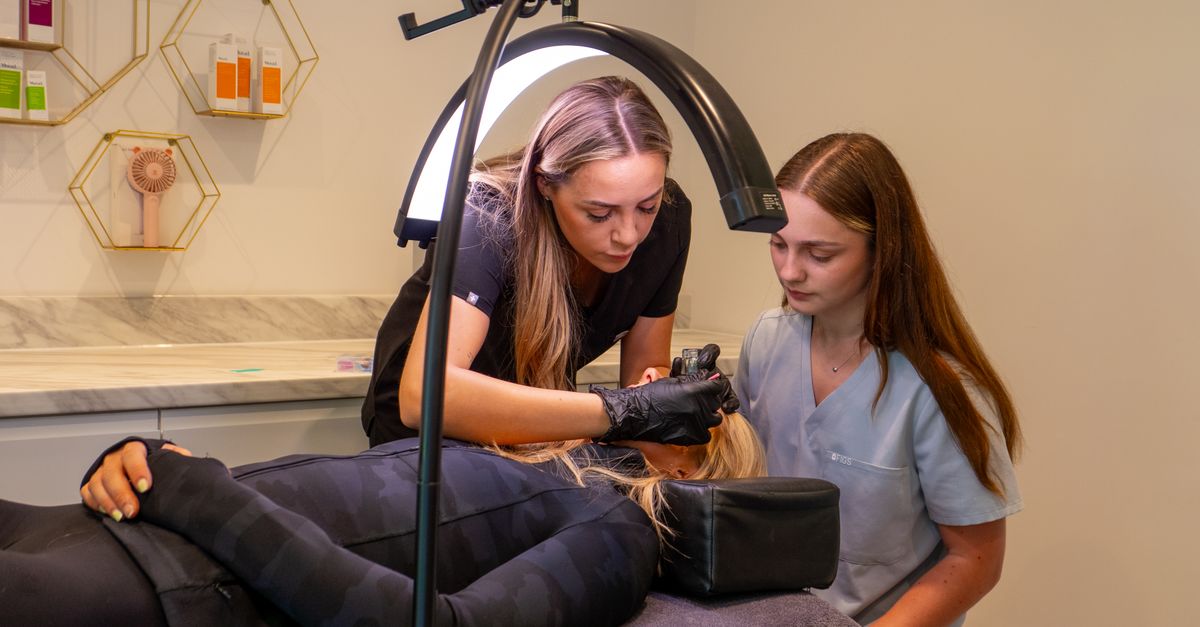
The treatment begins with a comprehensive consultation, where a licensed practitioner evaluates the patient's facial structure and discusses aesthetic goals. This assessment helps determine the appropriate type and amount of filler needed for the temples and forehead. Once the area is marked, the practitioner may apply a topical anesthetic to minimize discomfort during the procedure.
During the injection process, the filler is meticulously administered into the targeted areas using a fine needle. This technique allows for precise placement and helps achieve a natural-looking enhancement. The practitioner takes care to use a gentle approach, ensuring that the patient remains comfortable throughout the treatment. Following the injections, monitoring for immediate reactions is common, and patients are typically provided with aftercare instructions to optimize results.
Step-by-Step Overview of the Injection Process
The procedure begins with a thorough consultation where the practitioner assesses the patient’s facial features and discusses desired outcomes. This initial step ensures that the filler is appropriate for the individual's needs and preferences. After the consultation, the treatment area is cleaned and marked for precise injection sites. Local anesthesia may be applied to minimize discomfort during the process, although many dermal fillers contain lidocaine for additional pain relief.
Once prepared, the practitioner will use a fine needle or cannula to deliver the filler into the designated areas of the temples and forehead. The injections are typically administered in small amounts to prevent overfilling and to achieve a natural look. Throughout the process, the practitioner monitors the patient's comfort and satisfaction, making adjustments as needed. After all injections are completed, gentle massaging may be performed to ensure even distribution of the filler and to enhance the results.
Post-Treatment Care
After the procedure, it is essential to follow specific aftercare instructions to optimize results and minimize discomfort. Patients should avoid touching or massaging the treated areas for at least 24 hours, as this can influence the placement of the filler. Ice packs can be applied to reduce swelling or bruising, although direct pressure should be avoided. Staying upright for several hours post-treatment may also help prevent possible side effects.
Maintaining hydration is crucial after receiving filler injections, as it promotes skin health. Gentle skin care products should be used to keep the treated areas clean, and using a mild cleanser will help avoid irritation. Patients are advised to refrain from strenuous activities or heat exposure, including saunas or intense workouts, for a short period after treatment, which may help in achieving better results.
Tips for Maintaining Results and Reducing Discomfort
After receiving filler injections, individuals should prioritize hydration as it plays a significant role in maintaining overall skin health. Drinking plenty of water helps enhance the fillers' effectiveness and prolongs their results. Additionally, avoiding excessive sun exposure can prevent swelling and promote a more even appearance. It is advisable to wear sunscreen whenever stepping outdoors, as UV rays can negatively impact the skin's condition and lead to faster degradation of the filler.
Managing discomfort post-treatment can be achieved through some simple measures. Applying a cold compress to the treated areas can help reduce swelling and alleviate any pain. Over-the-counter pain relievers may also provide relief but should be taken in moderation and as recommended by a healthcare professional. Keeping the injection sites clean and following any specific aftercare instructions given by your provider will further support optimal healing and comfort.
Potential Side Effects and Risks
Individuals considering temples and forehead filler should be aware of several potential side effects. Common reactions may include swelling, bruising, and redness at the injection site. These symptoms usually resolve within a few days. Some people may experience headaches or mild discomfort following the procedure. Understanding that these reactions are typically temporary can help set realistic expectations for patients.
In rare cases, more serious complications may occur. Infection, allergic reactions, or lumps under the skin can develop but are uncommon. It is essential to consult with a qualified medical professional who can assess individual risks and provide guidance. Open communication about any pre-existing conditions or concerns can lead to a safer and more effective treatment experience.
Understanding Common Reactions and Concerns
After receiving temples and forehead fillers, patients may experience a range of common reactions. Swelling and bruising are typical in the treated areas, often subsiding within a few days. Redness at the injection sites may also occur. These effects generally resolve rapidly, contributing to a more youthful appearance as the filler settles into place.
While most individuals tolerate the treatment well, some may have concerns regarding longer-lasting side effects. Rarely, allergic reactions or infections can occur, leading to complications. It's important for patients to be informed about these risks and to consult with a qualified healthcare provider if they notice any unusual symptoms following the procedure. This proactive approach can ensure a smoother recovery and enhance overall satisfaction with the results.
FAQS
What is forehead filler, and how does it work?
Forehead filler is a non-surgical cosmetic treatment that involves injecting dermal fillers into the forehead and temple areas to enhance facial features, reduce the appearance of wrinkles, and create a more youthful look. The fillers add volume and contour, providing balance to the face.
How long does the treatment process take?
The treatment process typically takes about 30 to 60 minutes, depending on the areas being treated and the amount of filler used. This includes consultation time, the injection process, and any necessary follow-up instructions.
What should I expect during the recovery period?
After the treatment, you may experience mild swelling, bruising, or tenderness in the injection areas. It’s important to follow post-treatment care guidelines to minimize discomfort and maintain results. Most people can return to their normal activities shortly after the procedure.
Are there any risks or side effects associated with forehead filler injections?
While forehead filler injections are generally safe, common side effects may include swelling, bruising, and redness at the injection site. More serious risks, though rare, can include infection or an allergic reaction. It's important to discuss potential risks with your provider before undergoing treatment.
How long do the results of forehead filler last?
The results of forehead filler can last anywhere from six months to two years, depending on the type of filler used, individual metabolism, and how well you follow post-treatment care. Regular maintenance treatments can help prolong the desired effects.
Related Links
Long-Lasting Effects of Liquid FaceliftsHow Non-Surgical Nose Reshaping Works
The Connection Between Facial Aesthetics and Confidence
The Benefits of Lip Enhancements at Gold Coast Cosmetic Clinics
The Impact of Facial Fillers on Youthful Appearance
Understanding the Process of Cheek Augmentation
The Role of Skin Boosters in Facial Aesthetics
Exploring the Advantages of Thread Lifting Techniques
Achieving Natural-Looking Results with Jawline Contouring