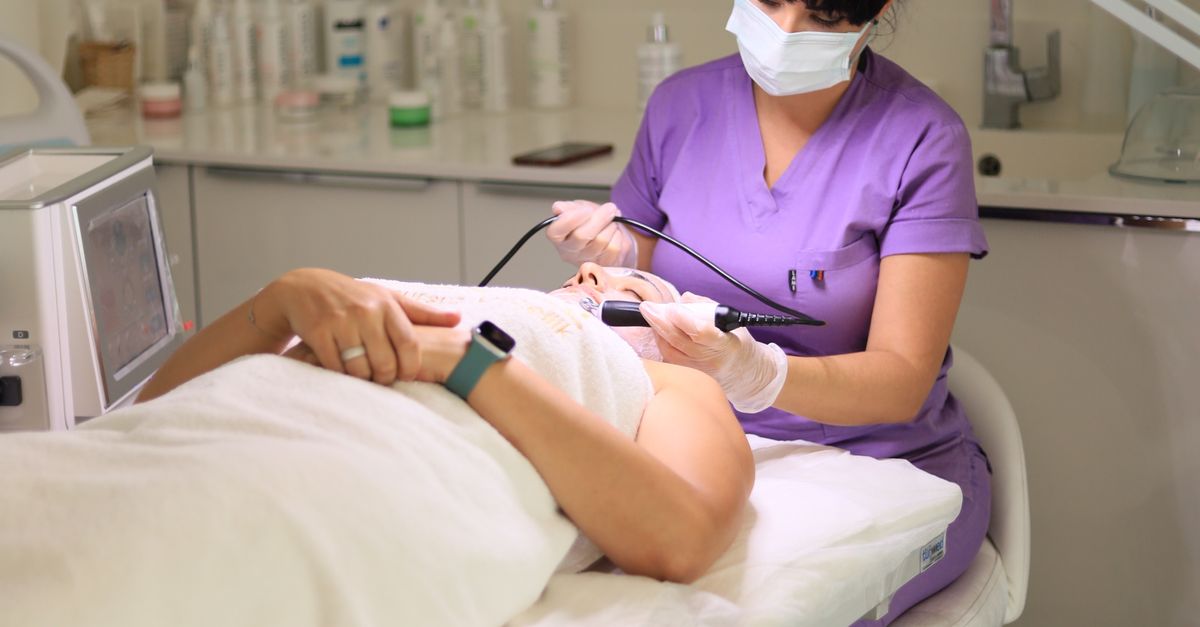
The Connection Between Facial Aesthetics and Confidence
Table Of Contents
Natural Aesthetic Enhancements
Many individuals seek natural aesthetic enhancements to boost their appearance and, subsequently, their confidence. This can involve minimal interventions, such as skin-care routines or facial exercises that promote elasticity and firmness. Many people also turn to non-invasive treatments like dermal fillers or Botox, which can subtly improve features without the drastic changes associated with surgery. These enhancements often focus on achieving a healthier, more vibrant look rather than striving for an unrealistic ideal.
In addition, dietary choices and hydration play significant roles in how facial aesthetics are perceived. Consuming a balanced diet rich in vitamins and antioxidants can enhance skin quality, giving it a more youthful glow. Staying well-hydrated helps maintain skin's elasticity and minimizes the appearance of fine lines. The emphasis on natural methods not only contributes to improved aesthetics but also fosters a greater sense of well-being and self-acceptance in individuals.
Lifestyle Choices That Improve Facial Features
Healthy lifestyle choices can significantly enhance facial features, contributing to an overall sense of well-being and confidence. A balanced diet rich in vitamins and antioxidants supports skin health, promoting a clear and radiant complexion. Hydration is equally important; drinking plenty of water not only helps maintain skin elasticity but also flushes out toxins. Regular physical activity boosts circulation, bringing oxygen and nutrients to the skin while also reducing stress, which can manifest as breakouts or dullness.
Additionally, adequate sleep plays a critical role in facial aesthetics. During rest, the body undergoes repair processes that can lead to improved skin texture and reduced dark circles. Skincare routines that incorporate sun protection, cleansing, and moisturizing further benefit facial appearance. Engaging in mindful practices, such as yoga or meditation, can enhance mental health, which often reflects outwardly in a person's demeanor and facial expressions. These combined efforts foster a positive self-image, further bolstering confidence.
The Impact of Aging on Facial Aesthetics
Aging brings about a series of natural changes that significantly influence facial aesthetics. The skin loses elasticity and collagen, leading to wrinkles and sagging. Additionally, volume diminishes in areas like the cheeks and temples, often causing a more hollow appearance. These physical transformations can alter a person's overall look and may affect how they perceive themselves.
Many individuals experience shifts in how they view beauty as they age. Societal standards often prioritize youthful features, which can lead to feelings of inadequacy for those who do not meet these ideals. This perception can impact self-esteem and confidence levels, making it crucial to promote a broader definition of beauty that encompasses the unique attributes of aging.
How Age Affects Perceptions of Beauty
Perceptions of beauty evolve considerably as individuals age, influenced by societal standards and personal experiences. Younger populations may subscribe to ideals emphasizing smooth skin and youthful features, often glorified by media portrayals. Middle-aged and older individuals frequently find value in characteristics that signify wisdom, such as fine lines and a unique personal narrative etched into their features.
These shifting standards reflect deeper cultural beliefs about the passages of life. Older generations often advocate for a more nuanced interpretation of beauty, one that includes resilience, authenticity, and individuality. This evolution shapes confidence levels, as people learn to appreciate their features for what they represent rather than how they compare to a singular, youthful ideal.
Gender Differences in Facial Aesthetics
Facial aesthetics can vary significantly between genders, influenced by societal norms and biological factors. For men, broader jawlines and pronounced cheekbones are often seen as desirable traits that convey strength and dominance. In contrast, women are typically associated with softer features such as fuller lips and higher cheekbones that symbolize youth and femininity. These standards dictate not only perceptions of beauty but also influence self-presentation and grooming behaviors.
Cultural expectations can shape individuals' confidence levels based on how well they conform to these gendered standards. Men may feel pressured to adopt more rugged looks or maintain a muscular physique, while women might invest in makeup and beauty treatments to achieve an idealized appearance. Such pressures can lead to a heightened awareness of facial attributes, making aesthetic choices a crucial part of their identity and self-esteem.
The Influence of Gender Norms on Confidence
Societal expectations often dictate how individuals perceive beauty based on gender norms. For many, the pressure to conform to these ideals can lead to heightened insecurity, especially among those who feel they do not fit conventional standards. As these standards evolve, they can create a complex relationship between appearance and self-esteem, impacting how people present themselves to the world. Media representations frequently reinforce these norms, presenting narrowed definitions of attractiveness that can be unattainable for the average person.
Additionally, men and women experience distinct pressures that influence their confidence levels differently. Women often face expectations to maintain youthfulness and certain body types, which can lead to dissatisfaction with their natural appearance. On the other hand, men are frequently pushed toward ideals of muscularity and ruggedness, creating its own set of challenges. These societal constructs not only affect personal perceptions of aesthetics but also shape individual interactions, often making confidence dependent on how closely one aligns with these cultural ideals.
FAQS
How do natural aesthetic enhancements affect confidence?
Natural aesthetic enhancements can improve facial features, which may lead to increased self-esteem and confidence as individuals feel more satisfied with their appearance.
What lifestyle choices can improve my facial features?
Lifestyle choices such as maintaining a balanced diet, staying hydrated, exercising regularly, and practicing good skincare can significantly enhance facial aesthetics and overall facial health.
How does aging impact facial aesthetics?
Aging can lead to changes such as wrinkles, sagging skin, and loss of volume, which can affect one's facial aesthetics and how individuals perceive their beauty over time.
In what ways does age affect perceptions of beauty?
Younger individuals are often associated with certain beauty standards, while older individuals may face different perceptions; these perceptions can shift based on societal norms and personal experiences.
Are there gender differences in how facial aesthetics influence confidence?
Yes, societal expectations and gender norms can lead to different standards of beauty for men and women, which can subsequently influence how each gender perceives their facial aesthetics and self-confidence.
Related Links
Long-Lasting Effects of Liquid FaceliftsThe Benefits of Lip Enhancements at Gold Coast Cosmetic Clinics
Enhancing Your Features with Temples and Forehead Filler
The Impact of Facial Fillers on Youthful Appearance
Understanding the Process of Cheek Augmentation
The Role of Skin Boosters in Facial Aesthetics
Exploring the Advantages of Thread Lifting Techniques